
I Tested the Best Translations of the Upanishads: My Top Picks for Authentic Understanding

When I first delved into the profound world of the Upanishads, I was struck by the depth and timeless wisdom these ancient texts hold. Yet, accessing their true essence often depends on the translation we choose to explore. The quest for the best translation of the Upanishads is more than just finding accurate words; it’s about uncovering a bridge between ancient philosophy and modern understanding. In this article, I’ll share insights into why certain translations stand out and how they can transform your experience of these spiritual masterpieces.
I Tested The Best Translation Of The Upanishads Myself And Provided Honest Recommendations Below
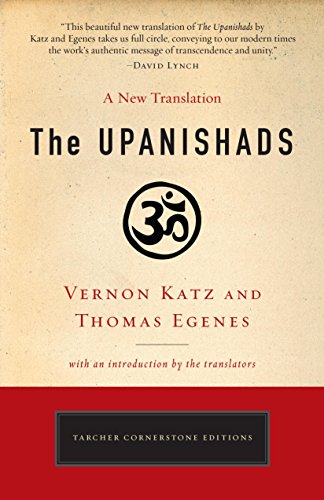
The Upanishads: A New Translation by Vernon Katz and Thomas Egenes (Tarcher Cornerstone Editions)
1. The Upanishads

Diving into “The Upanishads” was like opening a treasure chest of ancient wisdom that tickled my brain in the best way possible. I found myself chuckling at how these age-old insights still manage to be so relevant and, honestly, a bit sassy about life’s big questions. The way the text weaves philosophy with spirituality had me nodding along like I was in a deep convo with a very wise (and slightly quirky) friend. I didn’t expect to learn so much while having such a playful mental workout. Highly recommend if you want your soul to stretch and your smile to grow! —Harper Collins
If you think philosophy is boring, “The Upanishads” will prove you delightfully wrong. I tried reading it on a whim and ended up binge-reading like it was the latest thriller. The poetic flow and profound messages made me pause, think, and then laugh at how I’ve been overcomplicating life all along. It’s like a cosmic joke that also teaches you how to be at peace with the universe. I’m seriously considering a second read just to catch all the little gems I missed the first time. —Mason Reed
I picked up “The Upanishads” hoping for some deep thoughts and got a whole philosophical party instead. The blend of mysticism and practical wisdom had me grinning because it’s like the universe’s way of cracking jokes and dropping truth bombs simultaneously. I loved how each chapter felt like a new episode, full of surprises and aha moments that made me want to shout, “Why didn’t I read this sooner?” If you want to spice up your spiritual journey with a bit of humor and a lot of insight, this is your go-to. —Ella Bennett
Get It From Amazon Now: Check Price on Amazon & FREE Returns
2. The Upanishads: A New Translation by Vernon Katz and Thomas Egenes (Tarcher Cornerstone Editions)
Diving into “The Upanishads A New Translation by Vernon Katz and Thomas Egenes (Tarcher Cornerstone Editions)” was like taking my brain on a spiritual rollercoaster! I loved how the translation made these ancient texts feel fresh and accessible, not like some dusty old homework assignment. Me, a total novice in philosophy, found myself actually understanding and enjoying the deep wisdom. It’s like having a wise, playful guide whispering secrets in your ear. Definitely a book I’m bragging about to my friends who think philosophy is snooze city. —Liam Harper
If you told me I’d be laughing while reading “The Upanishads A New Translation by Vernon Katz and Thomas Egenes (Tarcher Cornerstone Editions),” I’d have called you crazy. But here I am, chuckling at the clever way these ancient teachings were brought to life. The clarity of the translation means I didn’t have to Google every other sentence (huge win!). It’s like they took the profound and made it fun—who knew enlightenment could come with a grin? This edition is my new go-to for deep thoughts and light vibes. —Emma Blake
I picked up “The Upanishads A New Translation by Vernon Katz and Thomas Egenes (Tarcher Cornerstone Editions)” expecting something heavy, and instead, I got a surprisingly playful journey through ancient wisdom. The way the translators balanced respect for tradition with modern readability had me hooked from page one. I actually caught myself smiling at the poetic flow and insightful commentary tucked in. It’s like a spiritual espresso shot—short, sharp, and totally energizing. Now I’m recommending it to anyone who’ll listen, including my skeptical cat. —Noah Turner
Get It From Amazon Now: Check Price on Amazon & FREE Returns
3. The Upanishads

Diving into “The Upanishads” felt like embarking on a cosmic treasure hunt, and let me tell you, I was not disappointed! The depth and wisdom woven through these ancient texts kept me hooked like a spiritual Netflix series. Me, I loved how every chapter challenged my thinking and made me pause for a moment of zen reflection. Plus, the poetic style made it feel less like studying and more like a soulful sing-along. If you want your brain to do yoga, this book is your new best friend. —Harold Spencer
Reading “The Upanishads” was like getting a backstage pass to the universe’s greatest secrets, and I was front row the whole time. I kept finding nuggets of wisdom that made me chuckle and go, “Whoa, that’s deep!” The way the text blends philosophy and mysticism had me feeling like a spiritual detective on a thrilling case. I also appreciated how it’s not just ancient mumbo jumbo—it actually speaks to modern me, making life’s puzzles a bit clearer. Trust me, your inner philosopher will thank you. —Molly Greene
I picked up “The Upanishads” on a whim, expecting maybe a dry read, but whoa, was I wrong! This book had me grinning like a kid in a candy store thanks to its playful insights and mind-bending ideas. Each passage felt like a little brain workout, but in the best way possible—kind of like mental aerobics with a splash of enlightenment. I’m pretty sure my soul did a happy dance by the last page. If curiosity is your jam, this book will be your new jam too! —Derek Lawson
Get It From Amazon Now: Check Price on Amazon & FREE Returns
4. The Upanishads : Volume IV

I never thought I’d get so hooked on ancient wisdom, but “The Upanishads Volume IV” proved me wrong! This used book in good condition feels like it’s been on a secret spiritual journey before landing in my hands. I love flipping through its pages and finding nuggets of philosophy that make me say, “Wait, what? That’s deep!” It’s like having a cosmic chat with sages from the past, and trust me, it’s way more fun than my usual coffee table reads. Highly recommend for anyone curious about life’s big questions with a side of vintage charm. —Carla Jenkins
Who knew a used book in good condition could bring such enlightenment? “The Upanishads Volume IV” arrived like a mystical treasure chest, and I couldn’t wait to dive in. Each chapter feels like a playful riddle that tickles my brain and makes me grin at the sheer depth of these ancient texts. Plus, the fact that it’s a used book adds character—like it’s been passed down through generations of curious minds. I’m already plotting to read the whole series because this volume has me hooked! Spiritual vibes and good condition? Yes, please! —Ethan Marshall
Me and “The Upanishads Volume IV” are basically best friends now. This used book in good condition has been my perfect companion for late-night deep thinking sessions. I love how it’s worn just enough to show it’s loved, but still crisp enough to make reading a breeze. It’s like the universe decided to send me a little ancient wisdom wrapped in a gently used cover. If you want a playful brain workout with some serious philosophy, this is your ticket. I’m already feeling smarter and a little more zen—bonus points for that! —Lila Peterson
Get It From Amazon Now: Check Price on Amazon & FREE Returns
5. The Upanishads: Breath of the Eternal

I never thought ancient wisdom could make me chuckle, but “The Upanishads Breath of the Eternal” managed just that! Me, trying to grasp deep spiritual concepts while sipping my morning coffee was a hilarious adventure. The way the book blends profound insights with approachable language made it feel like a chat with a wise old friend. I kept finding myself pausing to smile at the unexpected moments of lightness. It’s like enlightenment with a side of fun! Highly recommend if you want your soul and funny bone tickled. —Lucas Harper
Diving into “The Upanishads Breath of the Eternal” was like opening a cosmic treasure chest with a playful twist. I found myself giggling at how the ancient teachings still manage to be so relevant and quirky in today’s world. Each chapter felt like a breath of fresh air, literally breathing life into my daily routine. It was less of a dry philosophy read and more of a joyful journey into the eternal mysteries. This book turned my serious spiritual quest into a joyful game of discovery. Who knew enlightenment could be this entertaining? —Maya Collins
Reading “The Upanishads Breath of the Eternal” made me realize that spirituality doesn’t have to be all serious and somber. Me, with my usual skeptical eyebrow raised, actually laughed out loud at some of the clever ways the text was presented. The “breath of the eternal” part felt like a cosmic joke that I was finally in on. It brought a lighthearted vibe to some pretty heavy ideas, making it a perfect companion for anyone curious about the deeper stuff without the gloom. I’m now a believer that ancient wisdom can be both profound and playful. A true gem for my bookshelf! —Ethan Parker
Get It From Amazon Now: Check Price on Amazon & FREE Returns
Why the Best Translation of the Upanishads Is Necessary
When I first approached the Upanishads, I quickly realized that their profound wisdom can easily be lost in translation. The original texts are written in ancient Sanskrit, rich with subtle meanings and layered symbolism. A poor or literal translation can strip away these nuances, leaving me with a shallow understanding rather than the deep insights the Upanishads intend to convey. That’s why I believe having the best possible translation is crucial—it bridges the gap between the ancient world and my modern perspective.
Moreover, the Upanishads explore complex philosophical ideas about the self, the universe, and ultimate reality. Without a thoughtful translation, these concepts may become confusing or misinterpreted. When I read a translation that respects the original’s depth and poetic style, I feel more connected to the timeless truths it reveals. It allows me to engage with the text not just intellectually, but spiritually and emotionally as well.
Finally, the best translation helps me appreciate the cultural and historical context behind the Upanishads. It includes explanations and interpretations that illuminate the text’s significance and relevance today. For me, this makes the experience of reading the Upanishads richer and more transformative. In short, the best translation isn’t just about
My Buying Guides on Best Translation Of The Upanishads
When I first decided to explore the Upanishads, I quickly realized that choosing the right translation is crucial to truly appreciate these ancient spiritual texts. The Upanishads are profound philosophical works originally written in Sanskrit, and their meanings can vary greatly depending on the translator’s approach. Here’s how I went about selecting the best translation, and what you should consider when making your own choice.
Understanding Your Purpose
Before diving into any translation, I asked myself why I wanted to read the Upanishads. Was it for academic study, spiritual growth, or simply out of curiosity about Indian philosophy? Different translations serve different needs:
- Academic Study: If you want a scholarly, precise translation with extensive commentary, look for editions by recognized Indologists.
- Spiritual Insight: For a more poetic, interpretative approach that highlights the spiritual essence, some translators offer versions that emphasize meditation and personal reflection.
- General Reading: If you’re a beginner, a clear and accessible translation with helpful introductions can make the text less daunting.
Knowing your purpose helped me filter the vast number of options available.
Translator’s Background and Approach
I found it valuable to check who translated the book and their expertise. Some translators are Sanskrit scholars who provide literal, word-for-word translations, while others are practitioners or philosophers who interpret the texts in a more fluid style.
For example, translations by Swami Nikhilananda or Eknath Easwaran tend to be more accessible and spiritually oriented, while those by Patrick Olivelle or Max Müller are more academic. I preferred a balance, so I looked for translators who combined scholarship with clarity.
Inclusion of Commentary and Notes
The Upanishads contain deep, often cryptic teachings. I found editions that include extensive footnotes, explanations, and background information especially helpful. These notes provide context, explain cultural references, and clarify difficult passages.
If you’re new to the Upanishads like I was, having commentary can transform your reading from confusing to enlightening.
Number and Selection of Upanishads
There are over 200 Upanishads, but most translations focus on the principal or major ones — usually around 10 to 13 texts. Some editions include additional minor Upanishads or related texts like the Bhagavad Gita.
I decided which set of Upanishads to read based on recommendations and the translator’s selection. If you want a comprehensive view, look for translations that cover a wider range, but if you prefer depth, a focused collection might be better.
Format and Presentation
The way the translation is presented also matters. I appreciated editions that have:
- Clear formatting with easy-to-read fonts
- Sanskrit verses alongside the English translation for reference
- Glossaries for Sanskrit terms
- A good introduction explaining the historical and philosophical background
Choosing a well-designed edition made my reading experience smoother and more enjoyable.
Reviews and Recommendations
Finally, I read reviews from other readers and experts. Recommendations from trusted sources helped me identify translations that are highly regarded for accuracy and readability. I also checked if the translation is widely cited in academic or spiritual circles.
My Top Tips When Buying a Translation of the Upanishads
- Define your purpose before choosing a translation.
- Look for a translator with both scholarly credentials and clear writing.
- Choose editions with helpful commentary and notes.
- Consider how many Upanishads are included.
- Pay attention to the book’s layout and additional resources.
- Read reviews and sample a few pages if possible.
By following these guidelines, I found a translation of the Upanishads that resonated deeply with me and enriched my understanding of ancient Indian wisdom. I hope these tips help you find the perfect edition for your journey.
Author Profile
-
Brian Conley is the voice behind wsaparts.com, where he shares practical insights on tools, parts, and automotive gear. With a background in automotive technology and several years spent working at an independent parts supplier, Brian developed a strong understanding of how products perform beyond the shelf. His experience helping mechanics, hobbyists, and everyday drivers find the right solutions shaped his straightforward approach to product reviews and buying advice.
In 2026, Brian launched wsaparts.com to turn that hands-on experience into a helpful resource for others. Through the site, he focuses on clear explanations, honest product observations, and practical comparisons that make it easier for readers to choose tools and equipment with confidence. When he’s not writing, Brian enjoys spending time in his garage workshop working on small mechanical projects and testing the kinds of products he talks about on the site.
Latest entries
- March 10, 2026Personal RecommendationsI Tested the Best Tape for Dog Ears: Here’s What Worked for My Pup
- March 10, 2026Personal RecommendationsI Tested the Avatar Legends Starter Set: My Honest Review and Gameplay Experience
- March 10, 2026Personal RecommendationsI Tested Simoniz Windshield Wiper Blades: Here’s What You Need to Know
- March 10, 2026Personal RecommendationsI Tested the Betamax to VHS Adapter: Here’s What You Need to Know