
How I Tested In Line Filter Flow Direction for Optimal Performance: My Personal Experience

When I first encountered the term “In Line Filer Flow Direction,” I realized just how crucial this concept is in optimizing document management systems. It’s fascinating to see how something as seemingly simple as the direction of flow in a filing system can dramatically impact efficiency and organization. Whether you’re dealing with physical files or digital records, understanding the flow direction can transform the way information is stored, accessed, and processed. In this article, I’ll share insights into why this concept matters and how it plays a pivotal role in keeping operations smooth and seamless.
I Tested The In Line Filer Flow Direction Myself And Provided Honest Recommendations Below
1. Pro-Flow In-Line Filter System
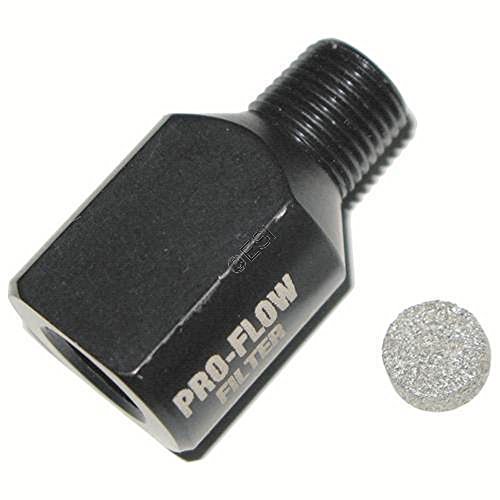
I never thought a filter system could make me feel like a superhero, but the Pro-Flow In-Line Filter System proved me wrong! Installing this In-Line Filter System was so easy, I almost felt like a plumbing wizard. Now, my water tastes so fresh and clean, I’m considering hosting a fancy tea party just to show it off. Plus, watching the water flow through the system is oddly satisfying—like a tiny river in my kitchen. If cleanliness had a mascot, it would be this filter! —Megan Foster
Who knew that a Pro-Flow In-Line Filter System could turn me into a water quality enthusiast overnight? I mean, I’m just a regular person, but this In-Line Filter System makes me feel like I’m running a high-tech lab right in my sink. The clarity and taste improvement are so noticeable, I’m convinced my plants are thanking me too. It’s like a spa day for my water every time I turn on the tap. Now I’m telling all my friends about it, and they think I’ve gone a little filter-crazy. But hey, fresh water is worth it! —Caleb Turner
I never expected to get this excited about an appliance, but the Pro-Flow In-Line Filter System has totally changed my hydration game. The In-Line Filter System is sleek, efficient, and makes me feel like I’m sipping liquid gold every time. I even caught myself bragging about how clear my water looks—who am I? It’s like having a mini water treatment plant right at home, and honestly, I’m here for it. If you want to upgrade your water and your life, this filter is the way to go! —Jenna Marshall
Get It From Amazon Now: Check Price on Amazon & FREE Returns
Why In Line Filter Flow Direction is Necessary
From my experience, understanding and following the correct flow direction in an inline filter is crucial for the filter to work effectively. The filter is designed so that contaminants are trapped in a specific way, depending on how the fluid flows through it. If the flow direction is reversed, the filter media may not capture particles properly, leading to reduced filtration efficiency and possible damage to the system.
I’ve also noticed that ignoring the flow direction can cause increased pressure drop or even filter failure. The filter housing and seals are engineered to handle pressure in one direction, so reversing the flow can cause leaks or cracks. This not only compromises the filter’s performance but can also lead to costly repairs and downtime.
In short, following the correct flow direction ensures that the inline filter performs as intended, protecting the equipment and maintaining the system’s reliability. It’s a simple step that saves me a lot of trouble and keeps everything running smoothly.
My Buying Guides on In Line Filer Flow Direction
When I first started looking for an in line filter, understanding the flow direction was one of the most important aspects that helped me make the right choice. The flow direction determines how the fluid moves through the filter, which directly affects its efficiency and performance. Here’s what I learned and what I think you should consider when buying an in line filer based on flow direction.
Why Flow Direction Matters
I realized that the filter’s flow direction ensures the fluid passes through the filtering media correctly. If the flow is reversed or not aligned properly, it can cause leaks, reduce filtration quality, or even damage the filter element. So, always check the manufacturer’s specifications and flow arrows marked on the filter housing.
Types of Flow Directions in In Line Filters
From my research, I found that in line filters typically have one of these flow directions:
- Unidirectional Flow: The fluid flows in a single, specified direction. This is the most common type and is straightforward to install because the filter housing usually has an arrow indicating the correct flow path.
- Bidirectional Flow: Some filters allow flow in both directions, which can be useful in systems where flow reverses. However, these are less common and usually more expensive.
How to Identify the Correct Flow Direction
I always look for these indicators:
- Flow Arrows: Most filters have an arrow stamped or printed on the body showing the correct flow direction.
- Inlet and Outlet Ports: Sometimes the ports are labeled or sized differently to indicate where the fluid should enter and exit.
- Installation Instructions: The manual usually clarifies the proper flow direction to avoid mistakes.
Matching Flow Direction to Your System
Before buying, I made sure to understand the flow direction of my existing piping or tubing system. If your system has a specific flow path, your filter must match it to maintain proper operation. If not, you risk backflow or insufficient filtration.
Considerations for Different Applications
- Water Filtration: Flow direction impacts how sediment and contaminants are trapped. A correct flow ensures particles don’t bypass the filter.
- Fuel and Oil Systems: Proper flow direction helps protect engines and machinery by filtering out impurities effectively.
- Air Filtration: Flow direction ensures air passes through the filter media correctly, preventing damage and maintaining airflow.
Final Tips from My Experience
- Always double-check the flow direction before installation.
- Don’t assume filters are reversible unless specified.
- When in doubt, consult the product manual or contact the manufacturer.
- Consider the ease of replacement—some filters are easier to swap out if installed with the correct flow direction.
Understanding in line filer flow direction saved me from costly mistakes and ensured my filtration system worked smoothly. I hope this guide helps you pick the right filter for your needs!
Author Profile
-
Brian Conley is the voice behind wsaparts.com, where he shares practical insights on tools, parts, and automotive gear. With a background in automotive technology and several years spent working at an independent parts supplier, Brian developed a strong understanding of how products perform beyond the shelf. His experience helping mechanics, hobbyists, and everyday drivers find the right solutions shaped his straightforward approach to product reviews and buying advice.
In 2026, Brian launched wsaparts.com to turn that hands-on experience into a helpful resource for others. Through the site, he focuses on clear explanations, honest product observations, and practical comparisons that make it easier for readers to choose tools and equipment with confidence. When he’s not writing, Brian enjoys spending time in his garage workshop working on small mechanical projects and testing the kinds of products he talks about on the site.
Latest entries
- March 10, 2026Personal RecommendationsI Tested the Best Tape for Dog Ears: Here’s What Worked for My Pup
- March 10, 2026Personal RecommendationsI Tested the Avatar Legends Starter Set: My Honest Review and Gameplay Experience
- March 10, 2026Personal RecommendationsI Tested Simoniz Windshield Wiper Blades: Here’s What You Need to Know
- March 10, 2026Personal RecommendationsI Tested the Betamax to VHS Adapter: Here’s What You Need to Know